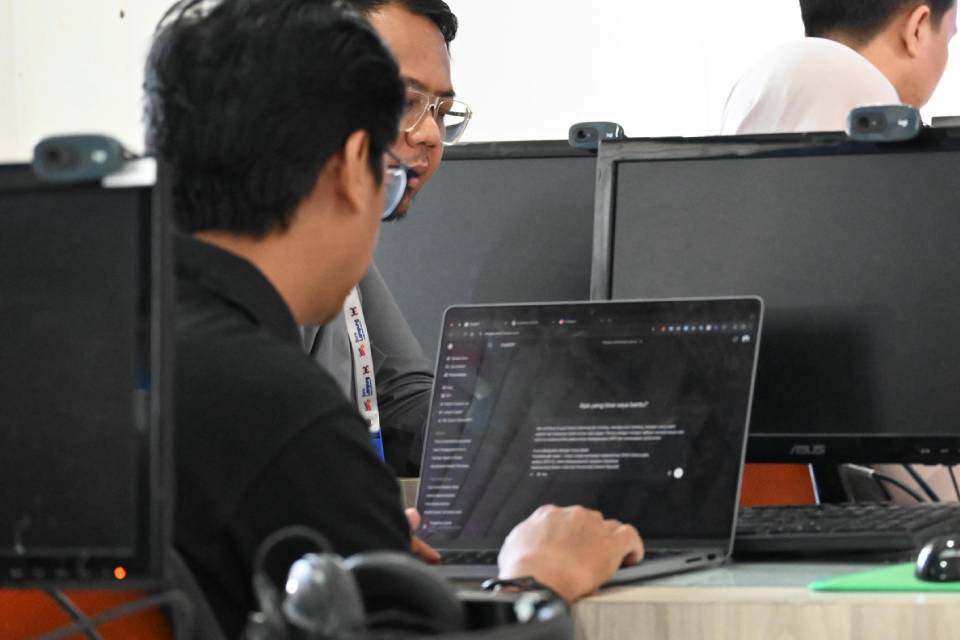
Lately, the programming world feels like it’s going through a revolution. And no, we’re not talking about the latest JavaScript framework or a hot new library release. We’re talking about AI tools that write code for us. Sounds amazing, right? Tools like GitHub Copilot, Windsurf, and the newest darling in the dev world, Cursor AI, are all racing to make our lives easier—or so they claim.
For those who haven’t heard of it, Cursor AI is basically an AI-powered IDE built on a modified version of ChatGPT. Imagine writing code and having your editor suggest the next line, fix bugs, refactor functions, and even explain what went wrong. Sounds pretty wild, huh? But here’s the thing: AI isn’t magic. And it definitely isn’t infallible.
Smart AI, But You Still Need a Smarter Programmer
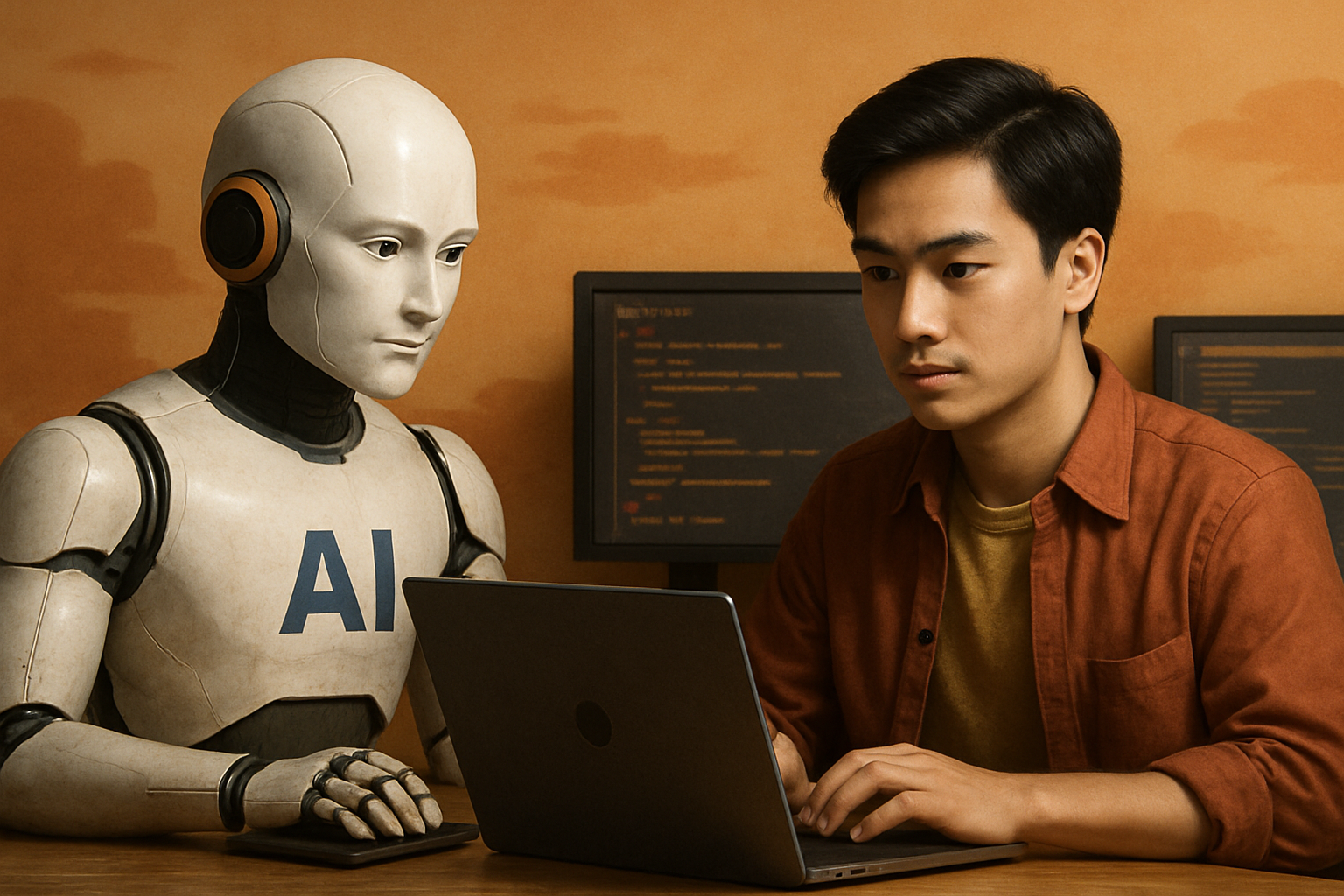 Let’s be real. A lot of people think that with AI around, coding will become a “click-click-done” process. But if you’re an actual programmer, you already know how this goes. AI can generate code that’s:
- Wrong,
- Out of context, or
- Just looks smart—but isn’t.
Say you ask Copilot to write a function to calculate discounts. Sure, it gives you something. But does it align with your specific business logic? Probably not. AI can’t read your mind. If your prompt isn’t crystal clear, don’t be surprised if the output is garbage or just “inspired by” some random repo from 2013.
So what’s happening now is that developers aren’t being replaced by AI—they’re becoming the QA team for AI. You’re reviewing AI-generated code, debugging suggestions, and sometimes spending more time fixing what was supposed to be a “shortcut.” If you think you can just let AI do the work while you kick back and chill, congrats—you’ve bought into a Hollywood fantasy.
Why Programmers Still Matter (a Lot)
 Let’s not forget: AI is just a tool. A smart one, yes. But still a tool. You are the one driving the project. Here’s why that still matters:
1. AI Has No Project Vision
Sure, AI can help you build a login page or register a new user. But it doesn’t understand why you’re building it. It doesn’t get your product roadmap, your business goals, or that your username validation needs to follow your company’s compliance rules.
2. AI Doesn’t Understand System Context
Maybe AI gives you code that runs. But does it integrate well with your architecture? Does it introduce vulnerabilities? If your app crashes, guess who’s on the hook? Not the AI.
3. AI Doesn’t Attend Standups
When there’s a bug in production, you can’t just say, “Copilot wrote that, not me.” Good luck with that excuse. You’ll probably get a clap… just not the applause kind—more like a slap from reality.
The Dark Side of AI Coding: “Copy-Paste Without Thinking”
Here’s the real issue—it’s not the AI, it’s us. It’s easy to get lazy. Junior devs, and even experienced ones, start relying too much on Copilot or Cursor. Ask for help on everything, avoid thinking, and soon your brain’s running on 2GB RAM—sluggish and overloaded.
Worse, AI makes it too easy to fall into a “looks fine” mindset. You stop thinking critically. You forget to test edge cases. And the scariest part? You stop learning. Because it feels like the AI knows it all.
AI Is Your Assistant, Not a Brain Replacement
 Let’s be clear: AI isn’t the enemy. It’s actually awesome—when used right. Cursor AI can help debug faster. Copilot can get rid of boring boilerplate. Windsurf can connect APIs without you digging through docs.
But all of that only works if you know what you’re doing. A good developer still needs to:
- Understand system architecture
- Know the business logic
- Think critically
- Read and evaluate code properly
AI might help you build a bridge, but you’re the one who decides where it leads. Hand over all control to AI, and you’re no longer a programmer—you’re just a passive observer hoping things don’t break.
In Reality: The Human + AI Combo Is the Real Power Move
 Let’s talk real-world. The best results come from a combo of human skills and AI. Imagine having a coding buddy who never sleeps, never gets tired, and always responds. That’s AI. But even then, you still have to:
- Review its work
- Run tests (manual and automated)
- Validate business logic and security
And most importantly: you make the final call. Whether to commit, refactor, or completely redesign—that decision lies with you, the developer.
Lazy Developers Will Be Replaced—Not by AI, But by Developers Who Use AI Right
 Yup, this isn’t a threat. It’s just the truth. AI won’t replace programmers. But programmers who ignore the need to evolve will absolutely be replaced—by those who know how to use AI without losing their edge.
So the next time Copilot suggests a piece of code, don’t just smash “Accept.” Look at it. Think about it. Consider the consequences. Behind every line of code is responsibility—and AI isn’t joining you in that daily standup when the production bug hits.
You’re still the programmer here. AI isn’t replacing you.
But you can replace those who’ve gotten a little too comfortable babysitting a machine.