


Driving traffic to a blog and getting views on YouTube might seem like two completely different worlds. One thrives on words and keywords, the other on visuals and clicks. But at the end of the day, both have the same goal: to get discovered by as many people as possible.
We know that bloggers swear by SEO (Search Engine Optimization) to rank higher on Google. Meanwhile, YouTubers often rely on eye-catching thumbnails or creative hooks to grab attention. But here’s a curious question: Can blog-style SEO strategies actually help boost your YouTube video views too?
Turns out… yes, they can. In this article, we’ll explore how blog SEO tactics might work wonders on YouTube—and what you need to know to make the most of both worlds.
Understanding SEO: From Blogs to YouTube
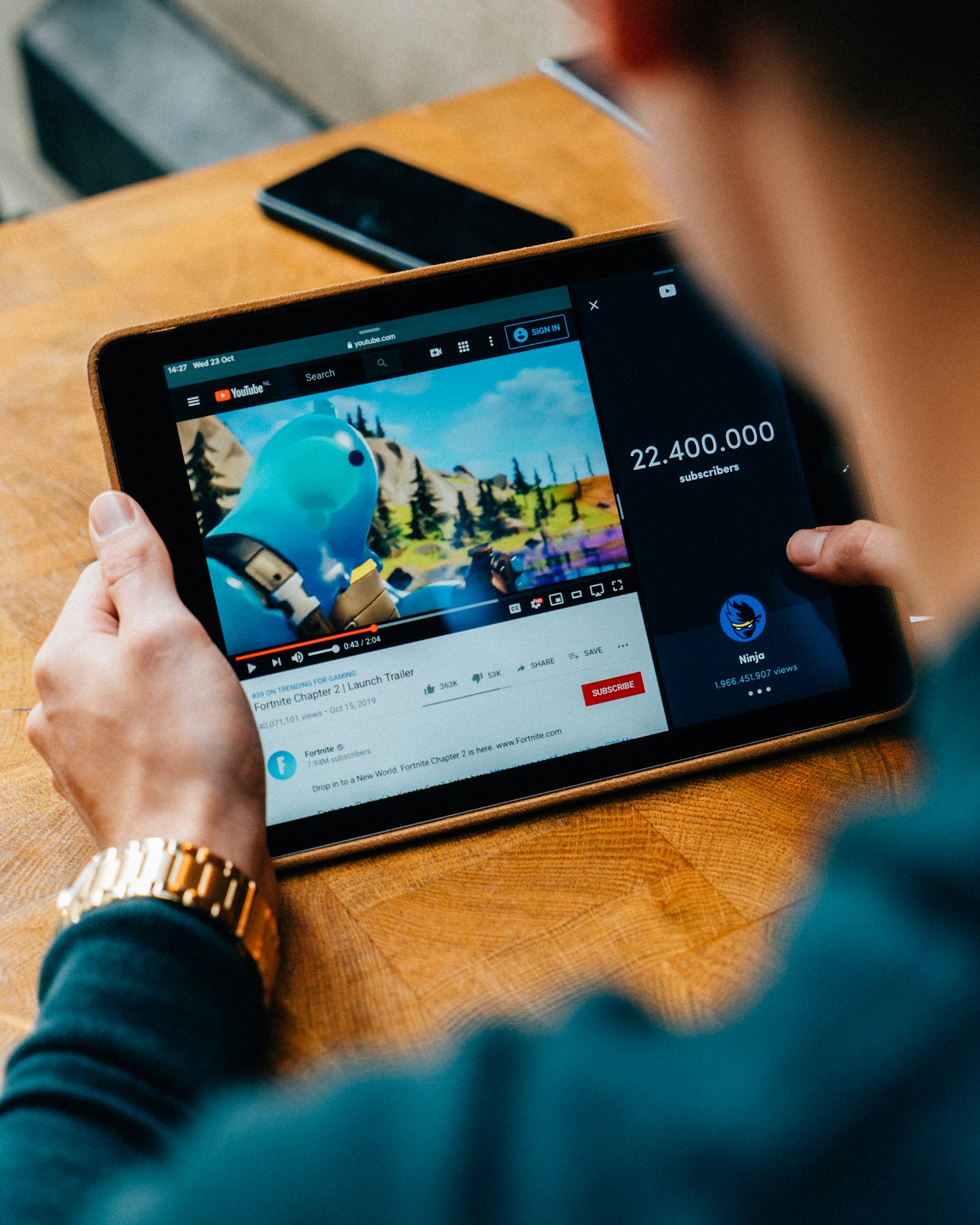 Photo by CardMapr.nl on Unsplash
SEO is a set of techniques used by bloggers and website owners to improve their ranking in search engines like Google. This involves keyword placement, content structure, website speed, and backlinks.
YouTube, although a video-based platform, is also a search engine (actually, the second largest after Google!). It has its own algorithm, but the basic principles of SEO still apply. In fact, YouTube SEO is a real thing—and more creators are starting to treat their video content like blog posts when it comes to optimization.
So, let’s dive into some blog-style SEO strategies that do work on YouTube.
1. Keywords in Titles and Descriptions: Still Effective on YouTube
 Photo by cottonbro studio on Pexels
Just like blog posts need smart keyword usage to be found on Google, YouTube videos can benefit from strategic keywords in the title and description.
Say you’re creating a cooking video. If your title is “Easy Chocolate Cake Recipe” and your description mentions “how to make a simple chocolate cake at home,” you’re helping both YouTube and Google understand what your video is about. That’s how you increase your chances of showing up in search results—on both platforms.
So yes, this blog technique absolutely works on YouTube. In fact, it’s one of the cornerstones of YouTube SEO.
2. Tags on YouTube = Meta Keywords on Blogs
 Photo by Christina Morillo on Pexels
Remember meta keywords on blog posts? They were used to tell search engines what your content is about. YouTube has a similar feature: tags.
Tags help categorize your video and connect it with other similar content. Used wisely, they can push your video into recommended lists or make it more discoverable to users interested in the same topic.
Just don’t overdo it. Use relevant and specific tags that reflect the actual content of your video—just like you would on a blog post.
3. Thumbnails: The YouTube Version of Clickbait Headlines
 Bloggers often use catchy (sometimes borderline clickbait) titles to draw readers in. On YouTube, that job belongs to the thumbnail.
A thumbnail is basically the visual equivalent of a headline. It needs to grab attention, spark curiosity, and represent the video honestly. Over-the-top or misleading thumbnails might get clicks, but they’ll also cause people to bounce—which hurts your ranking.
Think of it like this: thumbnails should be tempting, not tricky. Keep it real, and your viewers (and YouTube’s algorithm) will reward you.
4. Engagement Metrics Matter—A Lot

Photo by freestocks.org on Pexels
In blogging, metrics like time on page and bounce rate help Google decide if your content is worth promoting. On YouTube, it’s all about engagement—likes, comments, shares, and especially watch time.
If people are watching your videos all the way through and interacting with them, YouTube sees that as a green flag to recommend your video to more users.
So yes, this is another area where blog and YouTube SEO align. Both platforms reward content that keeps people engaged.
5. Consistency is King—On Blogs and YouTube
 Ever heard the saying “content is king”? In the blogging world, consistency helps your site stay relevant in Google’s eyes. Regular updates = more chances to rank.
YouTube works the same way. Channels that post consistently often perform better over time because the algorithm sees them as active and reliable.
If you’re used to a regular blog schedule, apply the same mindset to your YouTube uploads. A little consistency can go a long way.
So, Does Blog-Style SEO Work for YouTube?
 Based on everything we’ve covered—absolutely. Keyword strategies, thoughtful tagging, engagement-focused content, and consistent uploads are SEO principles that work beautifully across both platforms.
Sure, video content is different from written content. But if you treat your YouTube channel with the same strategic mindset you bring to your blog, you’re already ahead of the game.
That said, there’s no one-size-fits-all formula. You’ll need to experiment, test what works, and pay attention to your audience’s behavior. But blending blog SEO with YouTube best practices? It’s a solid way to stand out in a crowded platform.
Final Thought
If you’re a content creator who already understands how SEO works for blogs, you’re sitting on a goldmine of strategies you can repurpose for YouTube. And if you’re new to both—start learning now. It’s an investment in long-term growth, discoverability, and success across multiple platforms.
Because in the world of content, it’s not just what you make—it’s how people find it. 😉


